


Principles and Process Analysis of SMT Technology
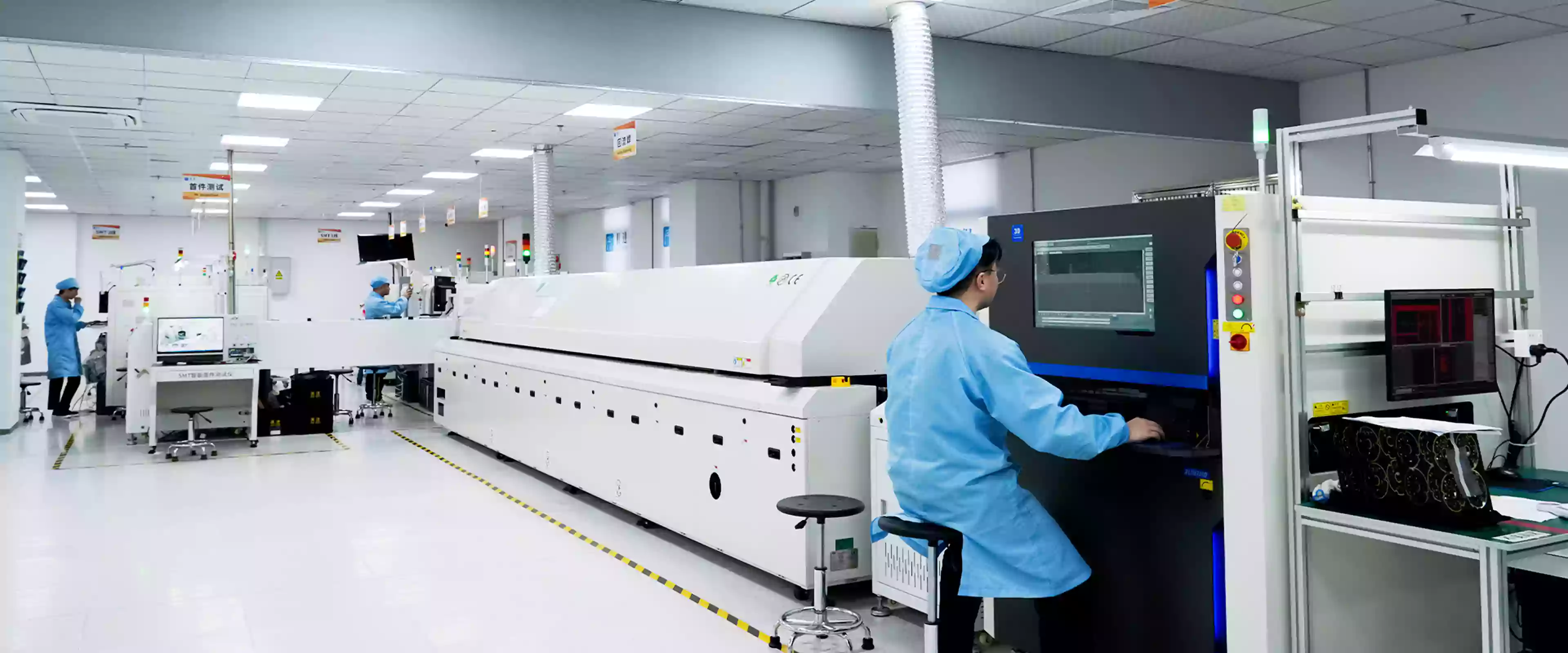
SMT, with its efficient and high-density characteristics, has become a key technical support for the miniaturization and high performance of modern electronic products. Below, we will analyze the core operating mechanism of SMT from three dimensions: technical principles, core processes, and key links.
Detailed explanation of PCBA production process
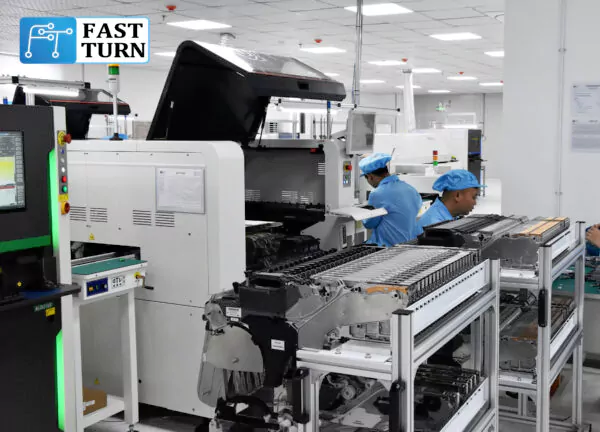
PCBA is one of the core components of the electronic manufacturing industry, involving multiple complex process steps and precise technical operations.
The production process of PCBA includes project evaluation and PCB board design, component procurement and inspection, solder paste printing and surface mount processing, reflow soldering and plug-in, wave soldering and cleaning, assembly, testing and packaging processes.
What are the reliability tests for PCB boards?
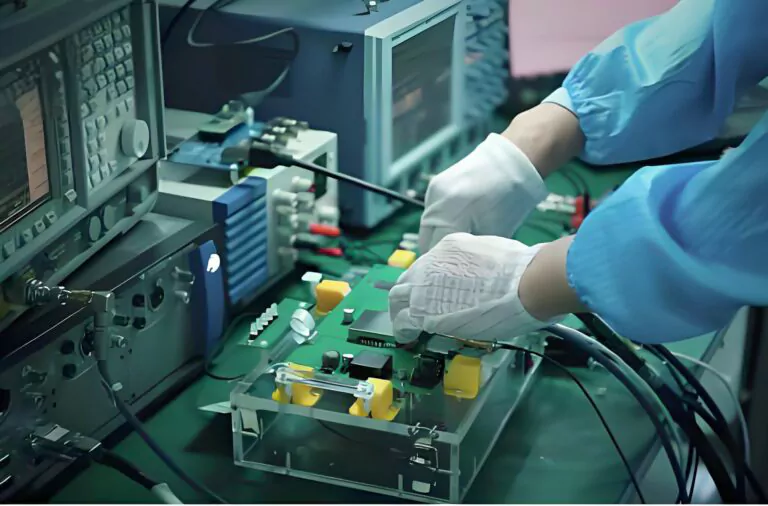
The reliability testing of PCB boards is a complex and rigorous process, covering multiple aspects such as soldering quality, functionality, environmental adaptability, and specialized testing. By selecting testing items and standards reasonably and applying and executing them according to the correct process, the quality and performance of PCB boards can be ensured to meet the highest standards.
How important is ISO13485 certification for PCBA processing manufacturers?
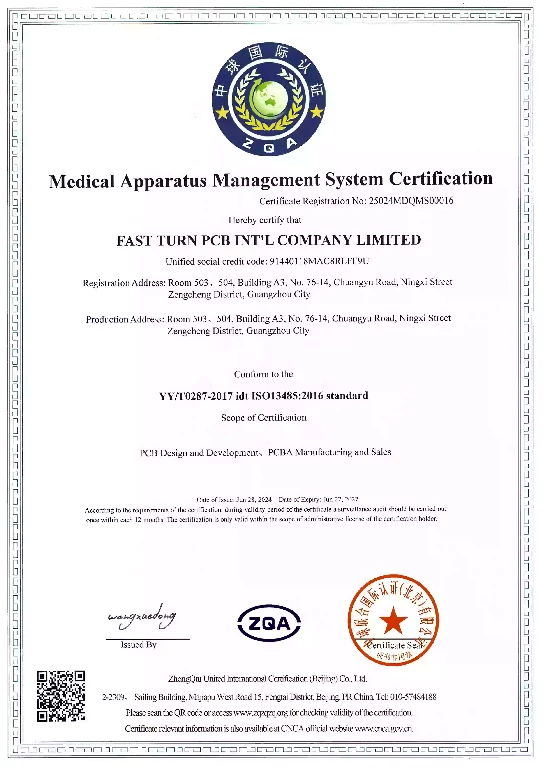
ISO 13485 certification, as a quality management system standard in the medical device industry, has the purpose of ensuring compliance of medical devices, improving product quality and safety, enhancing customer trust and satisfaction, optimizing processes and resource management, etc.
Differences in Characteristics and Applications between SMT and DIP
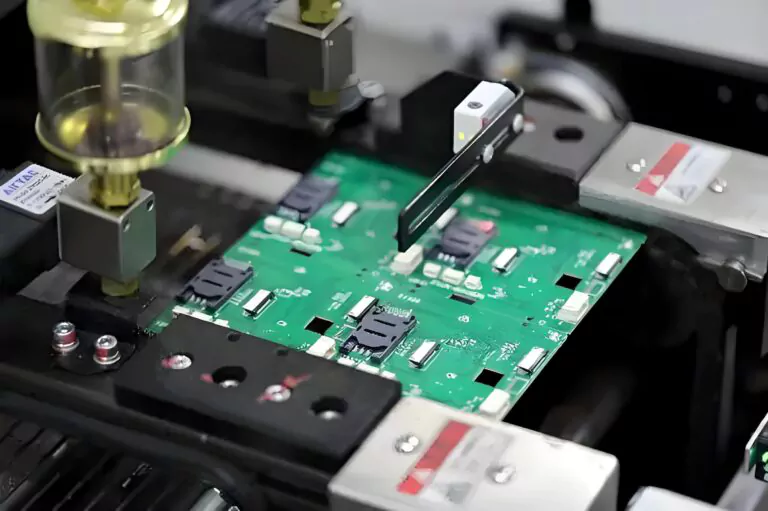
In the electronic assembly industry, SMT and DIP are two important electronic component installation methods, each with unique characteristics and application scenarios. When choosing which technology to use, it is necessary to comprehensively consider factors such as specific application requirements, production costs, and production efficiency.
The difference between high-speed PCB and ordinary PCB
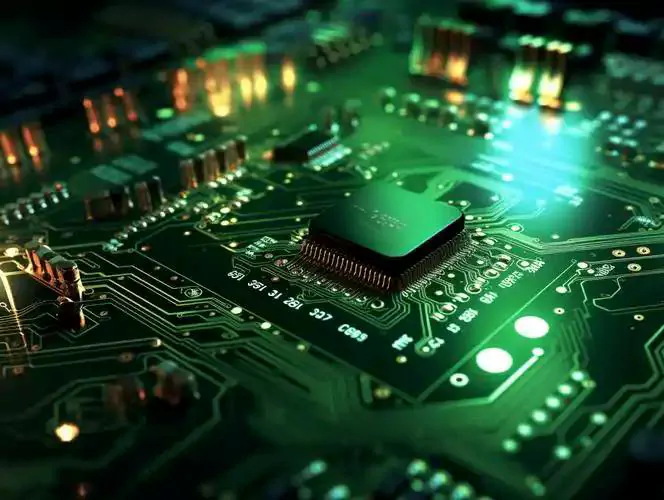
The main differences between high-speed PCBs (printed circuit boards) and ordinary PCBs are reflected in multiple aspects such as design goals, signal transmission performance, material selection, manufacturing processes, and application scenarios.
Preparation work before mass production of PCBA
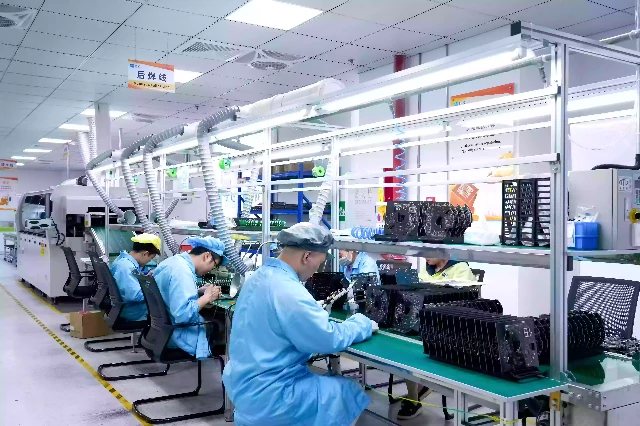
Preparation work is crucial before mass production of PCBA, including circuit board design and verification, component procurement and confirmation, circuit board production process preparation, SMT process documents and production files, circuit board sample inspection and verification, etc.
Prototype PCB Board-MULTI PCB
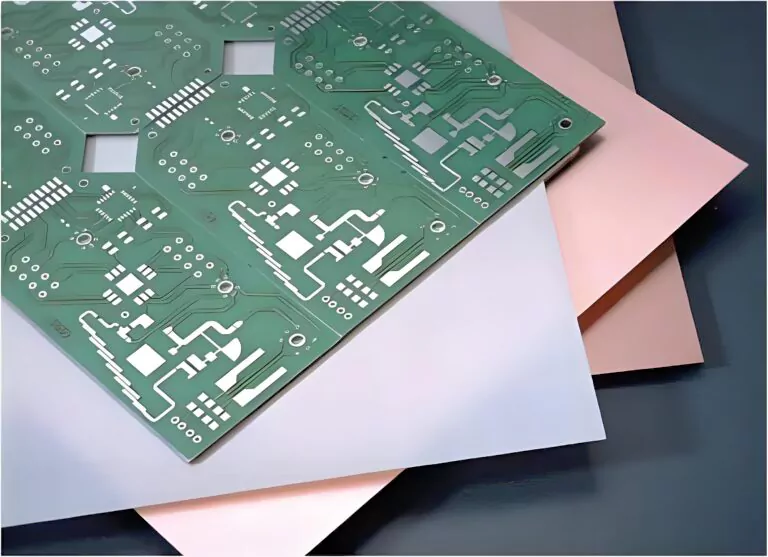
In the PCB market, the MULTI PCB is now creating a buzz as a leading high-tech company in Prototype PCB Board. Its Research and Development (R&D) team had an intensified twenty-one years of experience in developing a high-end prototype PCB Board.
Circuit Board Manufacturing
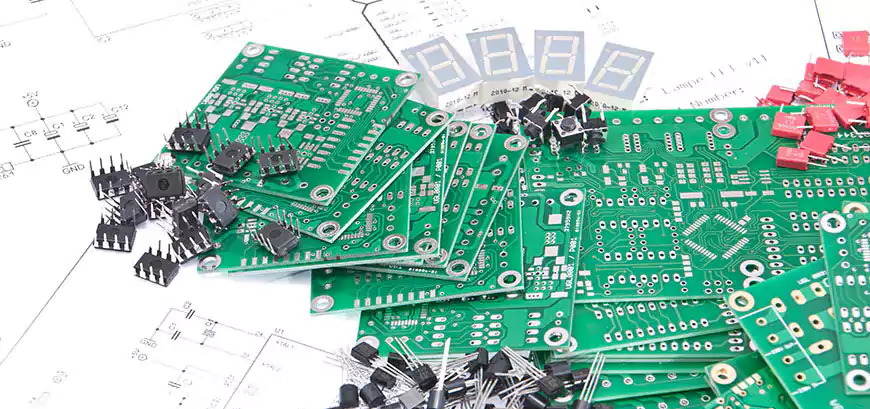
There is an intertwined relation between PCB assembly and circuit board manufacturing. In this light, we will be tackling PCB assembly in line with circuit board manufacturing. Prior to PCB assembly, several preparatory measures are being considered for the circuit board manufacturers to make the proper assessment of the functionality of the PCB design and have a DFM check.